Color Vision Test – Check and Understand Color Blindness
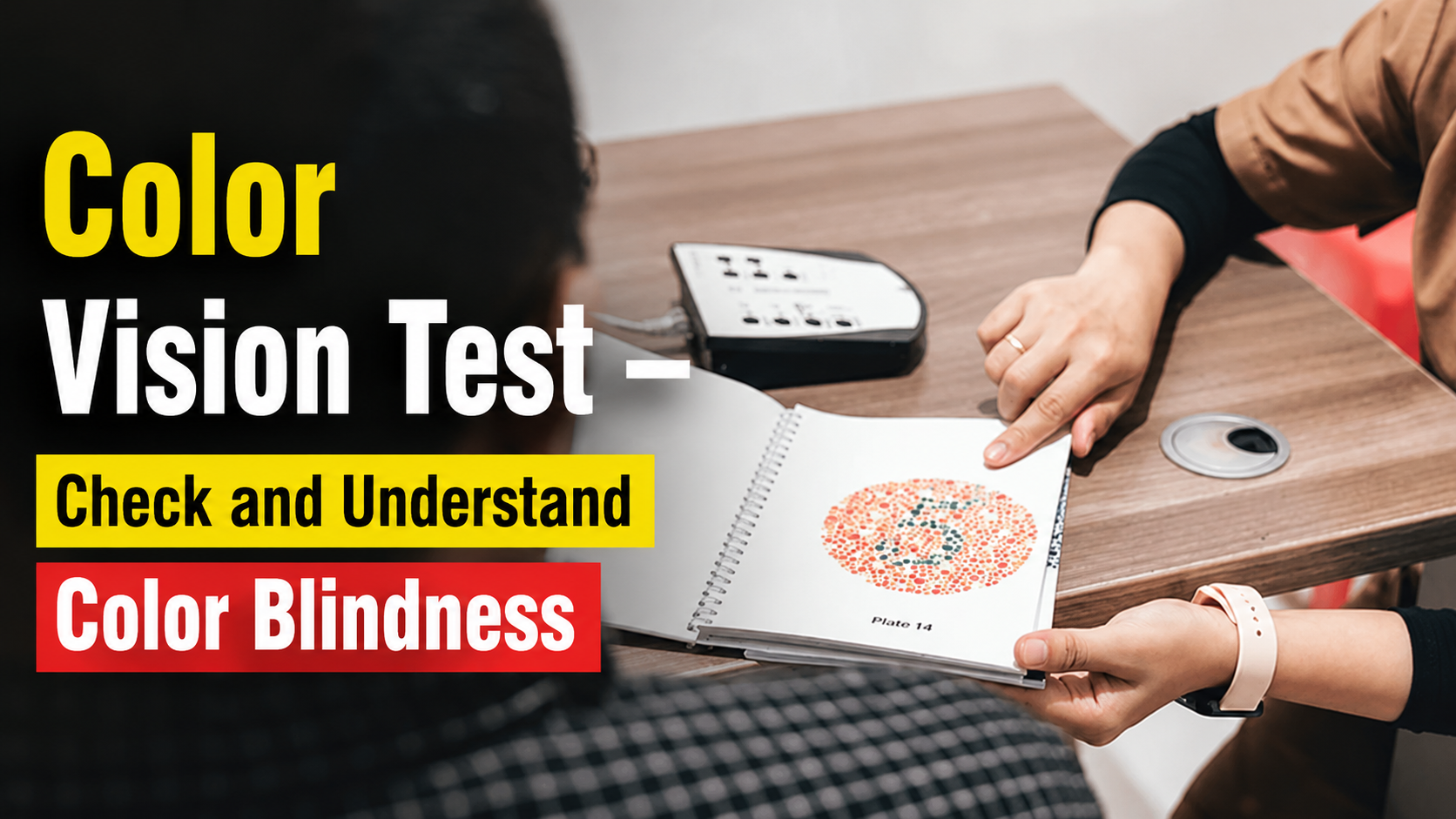
The Color Vision Test helps identify different types of color vision deficiencies through simple and accurate color plate assessments. It explains how color perception works and why colors are important in daily life, including traffic signals, art, and nature.
The test also highlights the challenges faced by people with color blind test and provides useful precautions for accurate results. With an easy and user-friendly process, it offers a reliable way to understand and check your color vision comfortably from home.
Understanding Color Vision and Its Importance
Color vision is a fascinating and intricate aspect of how we perceive the world, enabling us to see and enjoy a wide spectrum of colors. This ability stems from the interaction of light with the photoreceptor cells in our eyes, known as cones.
These cells are sensitive to different wavelengths of light, mainly red, green, and blue. The way these wavelengths blend and vary allows us to perceive the rich array of colors that make up our surroundings.
A Daily Necessity
However, color vision transcends mere biology. It plays a pivotal role in our everyday life. Color is a critical tool for interpreting signals and warnings, consider the red of a stop sign or the green of a traffic light.
It enriches our appreciation of art and nature, bringing beauty and subtlety to our environment. Imagine a world devoid of color, the beauty of a blue sky, or the calmness of a green forest would be unperceived.
Color as Communication
Colors express emotions, messages, and cultural meanings in daily life. They help brands create identity, artists show creativity, and people perform tasks like choosing fruits, matching clothes, cooking, and recognizing signals.
It plays an important role in how people understand and interact with the world around them. Although often overlooked, color vision greatly influences daily experiences, communication, decisions, and overall enjoyment of life.
What is Color Vision Deficiency?
Color vision deficiency, commonly known as color blindness, is a condition where an individual's ability to perceive colors is different from what most people experience. This condition arises from variations or deficiencies in the cone cells in the retina of the eye, which are responsible for color perception.
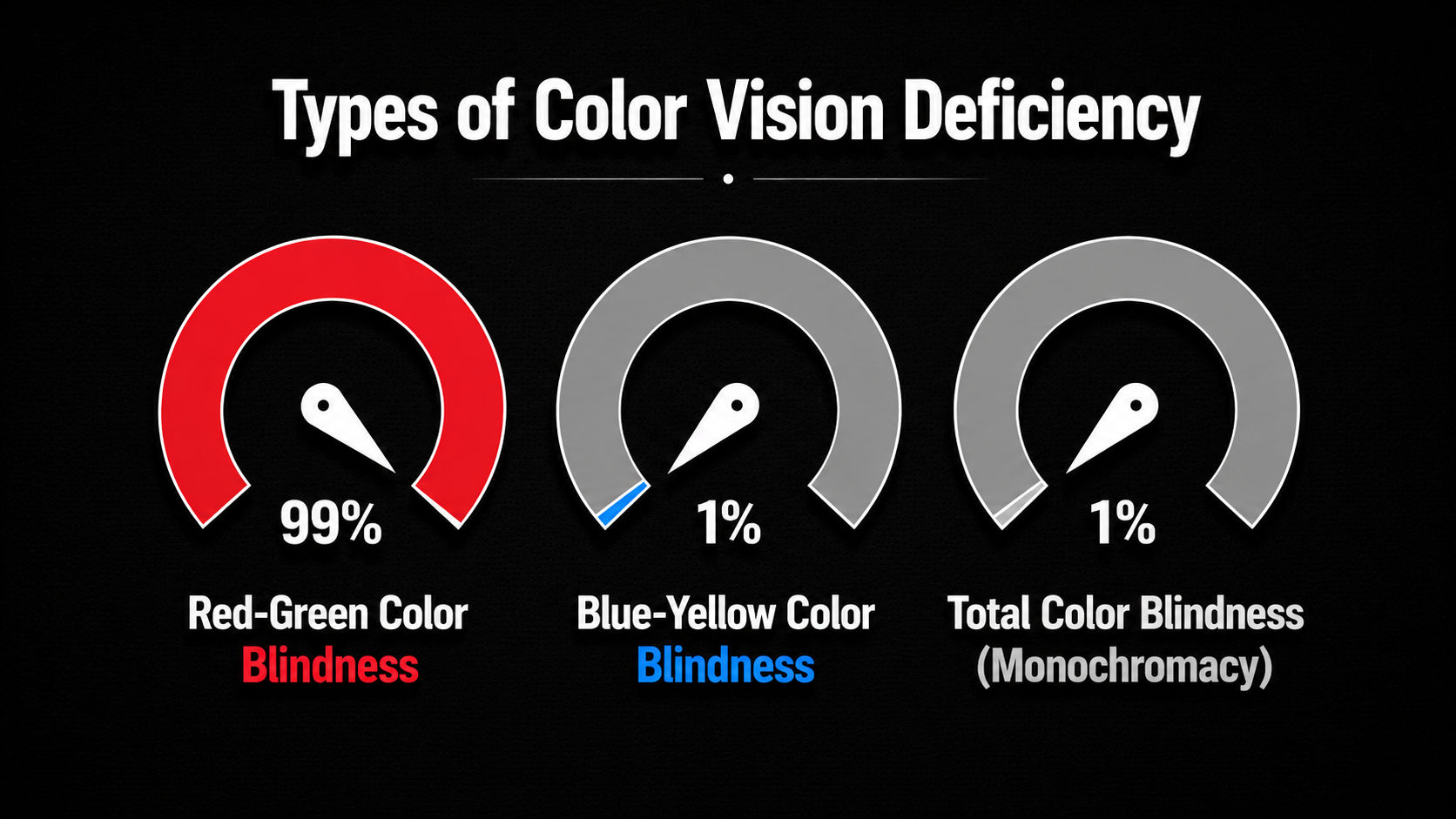
These variations can lead to difficulty in distinguishing between certain colors or shades, affecting how a person sees and interacts with the world. There are several types of color vision deficiencies, each affecting color perception in unique ways:
Red-Green Color Blindness:
This is the most common type and includes conditions like protanopia and deuteranopia. Individuals with red-green color blindness often struggle to differentiate between red and green shades, which might appear more similar than they are to someone with typical color vision.
Blue-Yellow Color Blindness:
Known as tritanopia, this rarer form of color blindness affects the perception of blue and yellow colors. Those with tritanopia may confuse blue with green and yellow with violet or light gray.
Total Color Blindness (Monochromacy):
This is an extremely rare condition where individuals see the world in varying shades of gray. Monochromacy results from a complete lack or malfunction of the cone cells in the retina.
Why Understanding Color Vision Matters
The term “color blindness” can be misleading because most people with this condition can still see colors, but they perceive them differently. The severity of color vision deficiency varies from person to person, with some facing minor challenges and others experiencing greater difficulties.
Understanding color vision deficiency is important for creating more inclusive environments and supporting diverse visual needs. Greater awareness helps improve accessibility in daily life, education, workplaces, and public systems for individuals with different color perception abilities.
The Impact of Color Vision Deficiency
1. Color vision deficiency can make daily activities like choosing ripe fruits, matching clothes, and reading traffic signals more difficult.
2. Some colors may appear similar or blend together, causing confusion and mistakes in routine tasks.
3. The condition can also affect professional opportunities, especially in careers that require accurate color recognition.
4. Jobs such as graphic design, electrical work, aviation, maritime navigation, and certain medical professions often depend on color-coded systems and signals.
5. Early detection of color vision deficiency is important, particularly for children, as it helps with learning support, career guidance, and daily adaptation.
The Color Blind Test Tool

Our Color Blind Test Tool provides a simple and reliable way to check color vision deficiencies from the comfort of your home or office. It is designed to deliver quick and accurate results through an easy-to-use testing process.
Precautions Before Starting the Test
The test uses specially designed color plates made of different colored dots and patterns. By identifying the hidden numbers or shapes, users can better understand the presence and possible type of color vision deficiency.
To ensure the most accurate results from our Color Blind Test Tool, it's essential to prepare your testing environment carefully. Please consider the following precautions before you begin:
- Device Calibration: Use a device with a correctly calibrated screen. Screen settings can significantly influence how colors are displayed, so it's important to ensure that your device accurately represents colors.
- Proper Lighting: Conduct the test in a well-lit room. Natural daylight is ideal, as it provides the most accurate representation of colors. If natural light isn't available, use a bright and evenly distributed artificial light source.
- Eye Condition: Make sure your eyes are rested. Fatigue can affect your color perception, so it's best to take the test when your eyes are not tired.
- Relaxed State: Ensure you are in a calm and relaxed state before taking the test. Stress or anxiety can impact your ability to focus, potentially skewing the test result.
Common Question
1. What Is a Color Vision Test?
A Color Vision Test is a simple assessment used to identify color vision deficiencies, commonly known as color blindness. It helps determine how accurately a person can recognize and differentiate colors.
2. What Causes Color Vision Deficiency?
Color vision deficiency occurs due to variations or problems in the cone cells of the retina, which are responsible for detecting colors. It is usually inherited but can also develop because of eye diseases, aging, or injuries.
3. What Are The Common Types Of Color Blindness?
The most common types include red-green color blindness, blue-yellow color blindness, and total color blindness (monochromacy). Each type affects how people identify and distinguish different colors in daily life.
4. Can Color Blindness Be Cured?
Most inherited color blindness conditions do not have a permanent cure. However, special glasses, mobile apps, and assistive technologies can help people recognize and differentiate colors more easily in daily life.
Conclusion
Color vision plays an important role in daily life, helping people recognize signals, enjoy art and nature, and better understand the world around them. A Color Vision Test is a simple way to identify possible color vision deficiencies and evaluate color perception.
Early detection and awareness can help individuals access better support, tools, and opportunities in education, work, and daily activities. It also promotes more inclusive and accessible environments for people with different visual needs.
